The Dangers of The Online World: What Parents Need to Know About the Risks of Video Games
The Dangers of The Online World: What Parents Need to Know About the Risks of Video Games
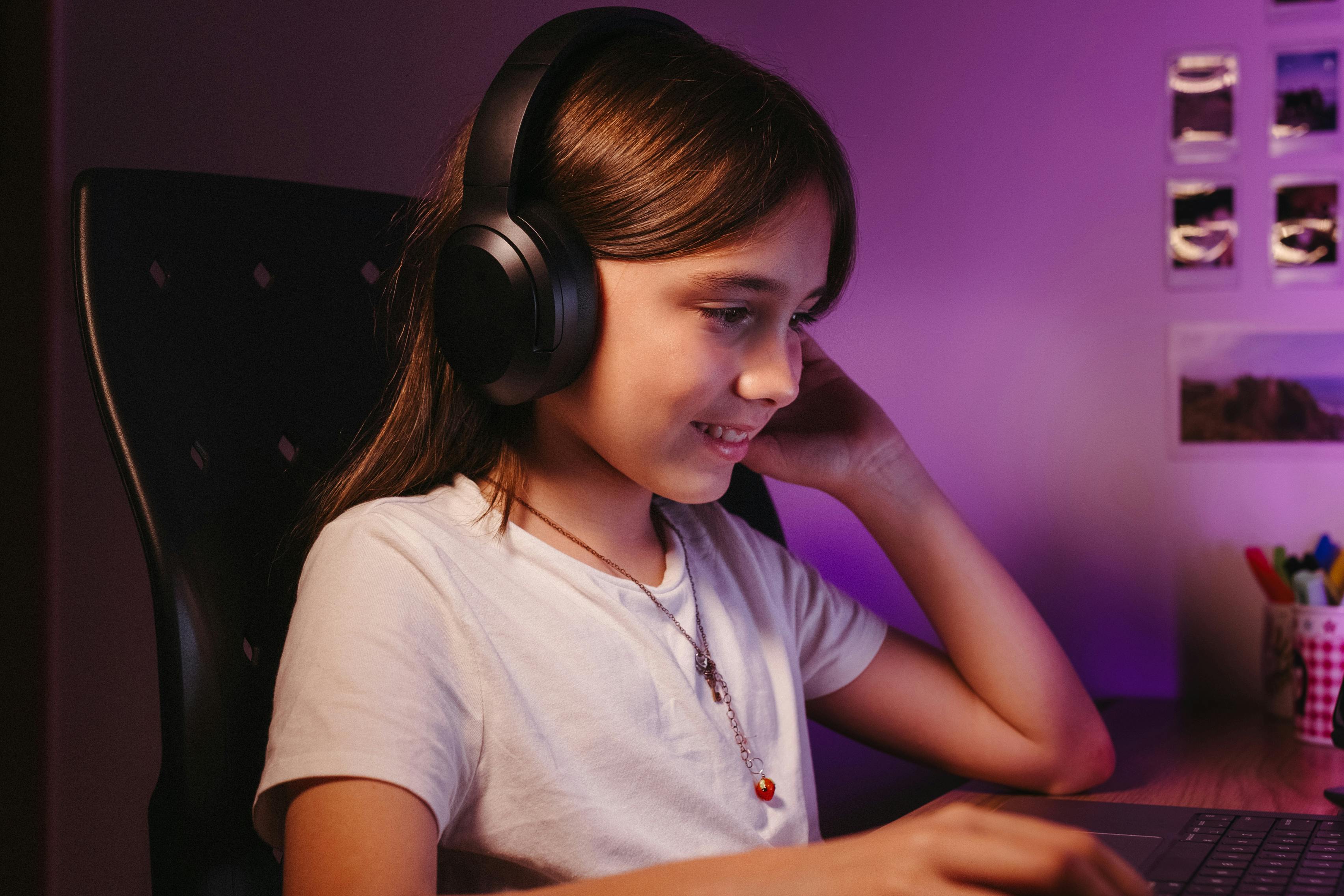
Image: Jonathan Borba on Pexels.
The internet has transformed the way we communicate, work, and have fun. For children and teenagers, online video games are one of the main forms of entertainment, offering immersive and interactive experiences. However, this global connectivity brings serious dangers, including exposure to sexual predators, cyberbullying, inappropriate content, and financial exploitation.
In this article, we analyze the most common risks and how parents can protect their children in the digital environment.
1. Predators and Online Sexual Grooming
One of the biggest threats in online games is the presence of sexual predators who use these platforms to approach minors. These criminals take advantage of the anonymity of multiplayer games to gain children's trust, often pretending to be players of the same age.
Predators may try to establish emotional bonds with children by offering digital gifts or becoming "close friends" within the game. The goal is often to convince the child to share personal information, photos, or videos that can be used for blackmail or abuse.
How to prevent:
- Monitor your children's online interactions and restrict private conversations with strangers.
- Use parental controls to limit communication within games.
- Explain to children the dangers of sharing personal information, even if they think they're talking to other young people.
2. Cyberbullying and Online Harassment
Cyberbullying is a growing problem in online video games, where insults, threats, and humiliation occur anonymously. Many children suffer harassment from other players, which can lead to anxiety, depression, and social isolation.
Moreover, some gaming communities encourage a toxic environment where insults and aggressive behavior are normalized.
How to prevent:
- Teach children not to respond to provocations and to report abusive behavior within the game.
- Encourage open dialogue so that children feel comfortable telling their parents if they are victims of cyberbullying.
- Use privacy settings to block problematic players.
3. Inappropriate Content and Exposure to Violence or Drugs
Many games include explicit violence, offensive language, or references to drugs and alcohol. Some platforms have age filters, but these can be easily bypassed by children.
Additionally, communication with older players may expose minors to sexual jokes, obscene language, or dangerous challenges.
How to prevent:
- Choose age-appropriate games for your child, checking age ratings (PEGI or ESRB).
- Activate parental controls to block inappropriate content.
- Talk to your children about the content they consume and ensure they understand the difference between game fiction and reality.
4. Financial Manipulation and Excessive Spending
Many games include microtransactions, where players can spend real money on digital items like skins, weapons, or characters. Some children end up spending large amounts without understanding the financial impact.
There are also fraudulent schemes where malicious players promise “hacks” or advantages in exchange for money or personal information.
How to prevent:
- Disable in-game purchases or set permissions for online purchases.
- Teach children the value of money and the importance of not spending without supervision.
- Use prepaid cards instead of linking credit cards to game accounts.
5. Addiction and Psychological Impact
Video game addiction is a growing problem, leading to academic difficulties, social isolation, and sleep disturbances. Many children spend excessive hours in front of the screen, harming their mental health and well-being.
How to prevent:
- Set playtime schedules and encourage outdoor activities.
- Create a balance between video games and other recreational activities.
- Watch for signs of addiction, such as mood changes, extreme irritability when they cannot play, or neglecting responsibilities.
How to Protect Your Children in the Online World?
- Maintain open dialogue – Children should feel safe to talk about their online experiences without fear of retaliation.
- Monitor online activity – Use parental controls and track the games your children play.
- Teach about privacy – Explain that they should never share personal information, photos, or location with strangers.
- Set screen time limits – Establish rules about the time allowed for gaming each day.
- Create family accounts – Whenever possible, use family accounts that allow direct supervision of online activities.
The internet and video games can be safe and fun spaces, as long as they are used with caution. The role of parents is crucial to ensure that children enjoy these experiences without exposing themselves to unnecessary risks.
Tens Jogos Usados ou Consolas Usadas para vender? Anuncia em GameMarket.pt
Anuncia Bicicletas e outros Artigos Novos e Usados em https://BikeMarket.pt - O maior portal de classificados de ciclismo em Portugal. Descarrega a App BikeMarket.pt disponível na Play Store
Anuncia carros usados, motos usadas e outros veículos em https://AutoAds.pt - Stand Online Grátis
Gostarias de ter o teu Link aqui e visível em todos os Anúncios? Contacta-nos









Sale
O Senhor dos Anéis – A Batalha pela Terra Média II (PC DVD) – Edição Portuguesa Completa – Raro
- Gaming PC/Mobile >
- Desktop Gaming
Sale
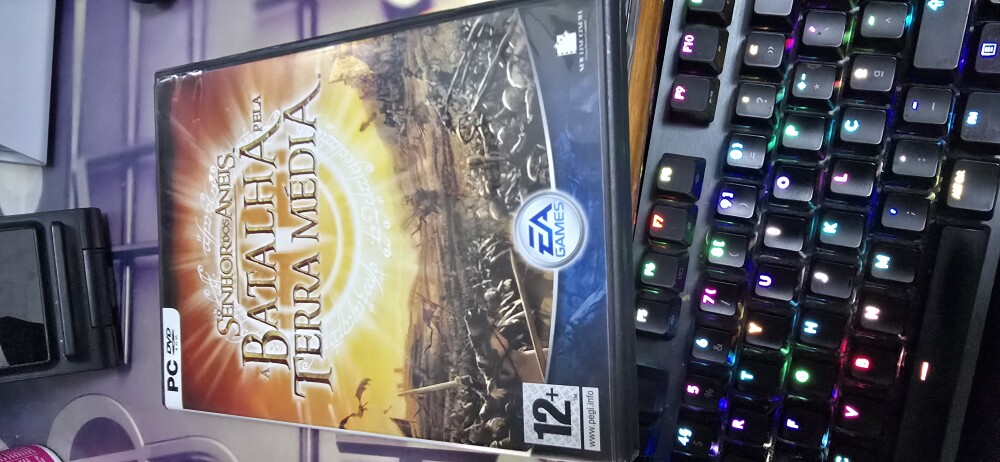
O Senhor dos Anéis – A Batalha pela Terra Média (PC DVD) – Edição Portuguesa Completa – Raro
- Gaming PC/Mobile >
- Desktop Gaming